Probation is often seen as an alternative to incarceration — a chance to remain in the community while meeting specific court-ordered requirements. But when those conditions are not met, the consequences can be severe. In Florida, a probation violation can result in a revocation hearing, and the outcome of that hearing can change everything.
What counts as a probation violation?
Probation comes with a set of conditions that vary from case to case. Common requirements include regular check-ins with a probation officer, drug testing, community service, paying fines or restitution, maintaining employment, and staying within a certain geographic area. Missing a check-in, failing a drug test, being arrested for a new offense, or failing to complete required programs can all be considered violations.
There are two types of violations
Not all violations are treated the same. A technical violation occurs when someone fails to meet a condition of probation — such as missing an appointment or not completing community service hours — without committing a new crime. A substantive violation involves an arrest for a new criminal offense while on probation. Substantive violations are generally treated more seriously, though both can result in consequences.
What happens after a violation is reported?
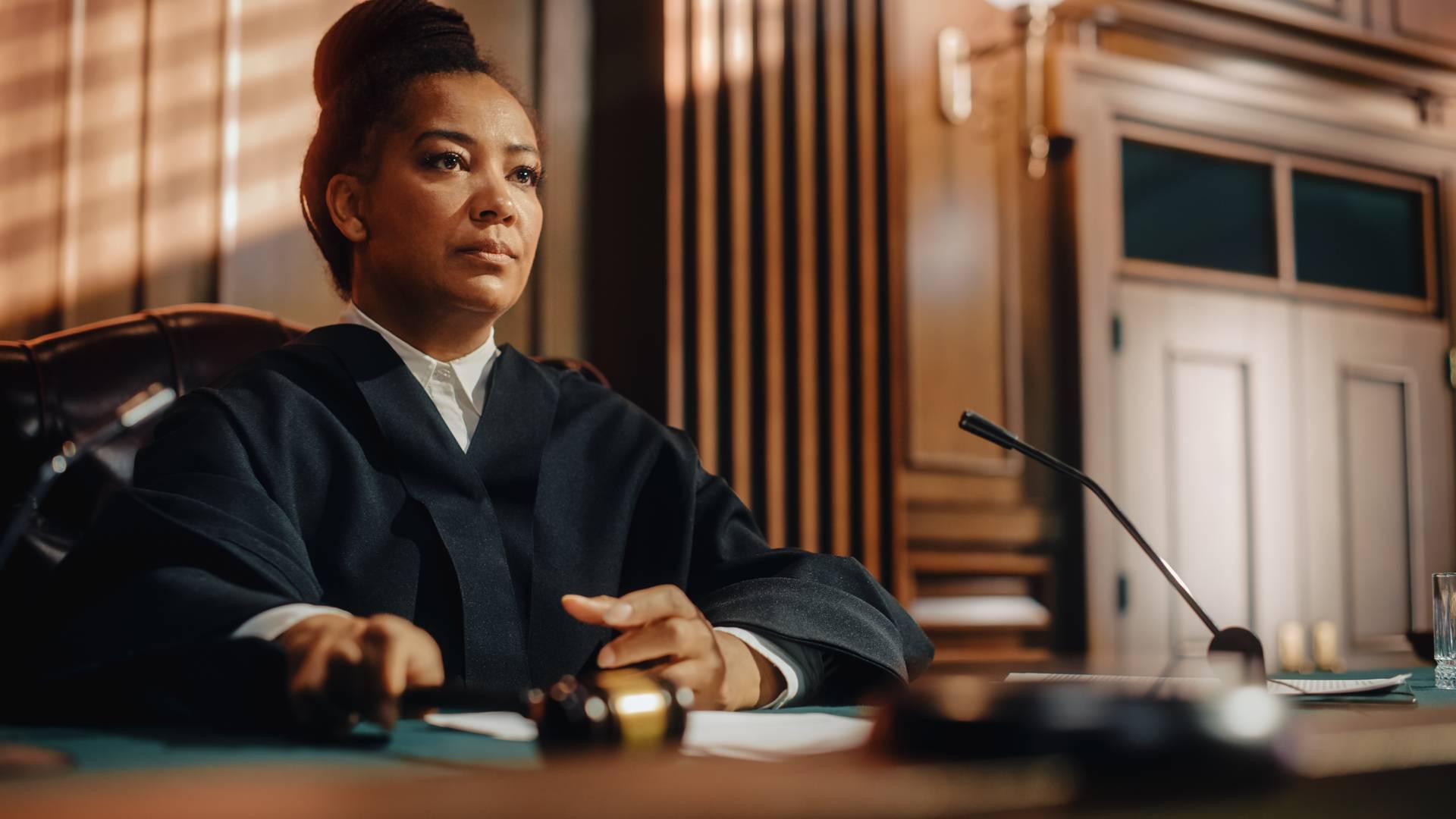
Once a probation officer believes a violation has occurred, they may file a report with the court. A judge can then issue a warrant for the probationer's arrest. Unlike at the original criminal trial, there is no jury in a probation revocation hearing — a judge alone decides whether a violation occurred and what the penalty should be.
Facing a probation violation in Orlando? Call attorney Lyle Mazin now at 407-477-6744. He is available 24/7 and can help you understand your options before your hearing.
The standard of proof is lower
One important distinction in probation violation cases is that the prosecution does not need to prove the violation beyond a reasonable doubt — the standard used in criminal trials. Instead, the judge only needs to find that a violation more likely than not occurred. This lower bar makes it critical to have strong legal representation before the hearing takes place.
What are the possible outcomes?
If a judge finds that a violation occurred, there are several possible outcomes. The judge may reinstate probation with the same or modified conditions, extend the probation period, add new requirements, or revoke probation entirely and impose a jail or prison sentence. In some cases, the original suspended sentence — the one that was set aside when probation was granted — can be imposed in full.
Why acting quickly matters
The period between a violation report and a revocation hearing is an important window. An attorney may be able to negotiate with the probation officer or prosecutor, gather evidence, or present mitigating factors to the court. Waiting too long or appearing at the hearing without representation can significantly limit the available options.
Final thought
Probation is not the end of a case — it is an ongoing legal obligation. If something goes wrong, the consequences can be just as serious as the original charges. Understanding what is at stake and getting the right help early can make a real difference in the outcome.
If you or someone you know is facing a probation violation hearing in Central Florida, do not wait. Contact Mazin Law at 407-477-6744 or reach out online to speak with attorney Lyle Mazin today.